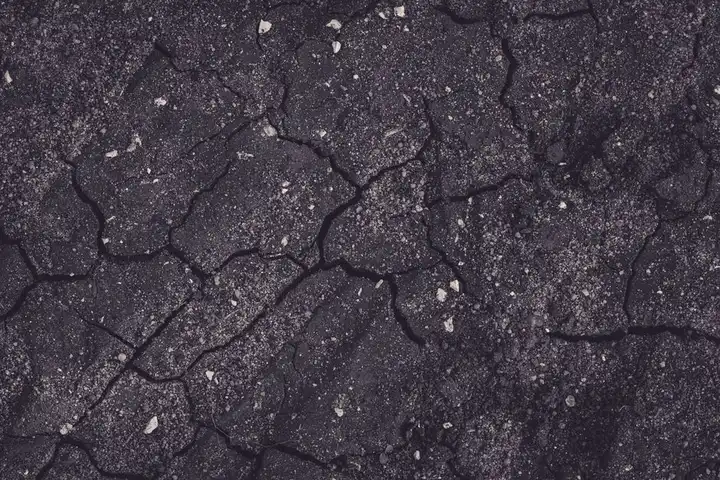
Fort Pierce's sandy soil erodes under your slab every time the water table rises and falls, and that movement is one of the leading causes of foundation cracks and under-slab pipe failures in this region. The sand here drains fast, shifts easily, and offers almost no lateral support compared to the clay soils you find farther inland. When groundwater pushes up during the wet season and drops during the dry months, the soil beneath your home expands and contracts, slowly carving voids around your plumbing lines and foundation footings. Over five to fifteen years, that cycle is enough to crack a copper line, shear a fitting, or open a seam in your slab. This post breaks down exactly how that process works in Fort Pierce, what warning signs to watch for, and what you can do to protect your home.
What Makes Fort Pierce Soil Different From Most of Florida
Fort Pierce sits on a layer of fine-grained sand and shell hash that extends 20 to 60 feet down before you hit any real clay or limestone. That sandy profile is great for drainage, but terrible for structural stability when water is involved. Sand particles are round and smooth, so they roll past each other under pressure instead of locking together the way clay does. When water moves through that sand, it carries the fine particles with it, a process called suffusion. Over time, suffusion creates voids under your slab, and those voids are where foundations crack and pipes break. The soil in Fort Pierce also has a high water table, often sitting just 3 to 6 feet below grade during the rainy season, which means your under-slab plumbing is frequently in contact with saturated ground.
How Does Sandy Soil Affect Foundations in Fort Pierce FL?
Sandy soil and foundations in Fort Pierce FL interact in three specific ways: uneven settling, void formation, and moisture-driven expansion. When the sand under one corner of your slab washes away faster than the rest, that corner drops. You will see diagonal cracks in your drywall, doors that stick in their frames, and floors that slope more than a quarter-inch over 10 feet. Void formation happens when water flowing under the slab carries sand particles away, leaving a gap that the concrete can no longer bridge. Moisture-driven expansion is the third problem. Sand absorbs water quickly and releases it just as fast, so the soil under your home swells and shrinks with every storm cycle. That constant movement stresses the slab from below, and the slab transfers that stress to the plumbing lines running through it.
Can Soil Erosion Cause Slab Leaks in Fort Pierce FL?
Yes. Soil erosion under slab Fort Pierce Florida is one of the top two causes of slab leaks we see, right behind pipe age and water chemistry. Here is the mechanism: as sand washes out from under the slab, the concrete loses support and flexes. Copper pipe does not flex. It work-hardens and cracks. PEX pipe handles movement better, but the fittings and manifolds can still fail when the slab shifts. We have pulled copper lines out of Fort Pierce homes where the pipe was worn paper-thin on one side because it had been rubbing against a jagged piece of shell or concrete for years. That kind of wear does not happen in stable soil. It happens when the ground moves.
If you suspect erosion has already damaged a line, under slab pipe repair Fort Pierce FL is the service that addresses the pipe itself. But if the line is old and brittle throughout, slab leak repipe Fort Pierce FL replaces the entire under-slab run with new PEX or copper so you are not chasing one leak after another.
What Are the Groundwater Conditions in Fort Pierce FL?
Groundwater conditions in Fort Pierce FL are defined by a shallow, fluctuating water table that rises 2 to 4 feet during the June-through-October wet season and drops through the winter and spring. The Floridan Aquifer sits deep, but the surficial aquifer is what matters for your foundation. It is unconfined, meaning it rises and falls with rainfall, irrigation, and nearby drainage. During a heavy summer storm, the water table can climb above the bottom of your slab within hours. When that happens, hydrostatic pressure pushes water against the underside of your concrete. If there is already a crack or a void, water finds it. That is why so many Fort Pierce slab leaks show up in July and August rather than January.
We also see the opposite problem in the dry months. When the water table drops, the sand under the slab loses moisture and compacts. That compaction creates new voids and new stress points. The soil is never static here. It is always moving one direction or the other.
Warning Signs You Should Not Ignore
These are the signals we tell Fort Pierce homeowners to take seriously, in order of how quickly they tend to escalate:
- Warm spots on the floor. A hot spot that appears for no reason usually means a hot water line is leaking under the slab. We handle those with hot water slab leak repair Fort Pierce FL.
- Unexplained spikes in your water bill. A slab leak that loses one gallon per hour adds roughly 720 gallons to your monthly usage.
- Diagonal cracks in drywall or tile. Stair-step cracks at door and window corners point to foundation movement, not just cosmetic settling.
- Musty smell or damp carpet near an exterior wall. Water wicking up through the slab leaves a distinct odor that does not go away with cleaning.
- Doors that stick or floors that feel spongy. Both indicate the slab has shifted enough to change the geometry of the frame.
- Sound of running water when everything is off. That is the most direct sign of an active under-slab leak.
Common Mistakes Homeowners Make
The first mistake is waiting. A slab leak that loses a gallon an hour can erode a significant void under your foundation in 60 to 90 days. The second mistake is assuming a high water bill is a meter problem. In Fort Pierce, nine times out of ten it is a line under the slab. The third mistake is patching the visible symptom, like replacing a cracked tile or repainting a water stain, without addressing the water source. The fourth mistake is hiring a general handyman to jackhammer the slab. Slab work requires a licensed plumbing contractor who can locate the leak precisely, repair the line, and pressure-test it before the concrete goes back. The fifth mistake is ignoring the soil. If you fix the pipe but do not address the erosion that caused the failure, the new line will fail the same way.
How Do I Protect Under Slab Plumbing From Soil Erosion in Fort Pierce FL?
You protect under slab plumbing in sandy soil Fort Pierce FL by controlling water around your foundation and choosing pipe materials that tolerate movement. Here is what actually works:
- Manage drainage. Keep gutters clean, extend downspouts at least 6 feet from the foundation, and make sure the grade slopes away from the house at roughly 6 inches over 10 feet.
- Fix irrigation leaks immediately. A broken sprinkler head near the slab can saturate the soil and accelerate erosion in a matter of weeks.
- Consider a soil stabilization injection. Polyurethane or grout injection fills voids under the slab and restores support. Typical 2026 pricing in Fort Pierce runs $1,200 to $3,500 depending on the square footage and number of injection points.
- Upgrade to PEX if you are already repairing. PEX pipe slab leak repair Fort Pierce FL is a better long-term choice in sandy soil because PEX flexes with minor slab movement instead of cracking.
- Get an annual plumbing inspection. A 30-minute pressure test and visual check catches small leaks before they become foundation problems.
If you are in an older neighborhood where the original copper is still in the ground, copper pipe slab leak repair Fort Pierce FL can buy you time, but at some point a full repipe is the more economical path. We walk through that decision with every homeowner before we start work.
When to Call a Professional
Call a licensed plumber the moment you notice a warm floor spot, a water bill that jumped more than 20 percent without explanation, or a musty smell you cannot trace. Those three signs together almost always mean an active under-slab leak. At Leak Repair Pros, we use acoustic listening equipment and thermal imaging to pinpoint the leak before we cut concrete. That means one small opening instead of exploratory demolition. We find the leak, fix it, and pressure-test the line before we leave. If the surrounding soil has eroded, we tell you what stabilization work is needed and coordinate it with the repair. For homeowners across the Treasure Coast, we offer Slab Leak Repair Fort Pierce FL in Fort Pierce with upfront pricing and no diagnostic fee on the first visit.
Frequently Asked Questions
How does sandy soil affect foundations in Fort Pierce FL?
Sandy soil erodes easily when water moves through it, creating voids under the slab that cause uneven settling, diagonal cracks, and sticking doors. Fort Pierce's fine sand particles roll and shift under pressure, so foundations here move more than they would on clay or rock. Most foundation problems we see trace back to soil movement, not concrete defects.
Can soil erosion cause slab leaks in Fort Pierce FL?
Yes. When sand washes out from under a slab, the concrete flexes and stresses the pipe running through it. Copper work-hardens and cracks; PEX fittings can fail at manifolds. We routinely find copper lines worn thin from years of rubbing against shifting sand and shell fragments. Erosion is one of the top two causes of slab leaks in this area.
What are the groundwater conditions in Fort Pierce FL?
Fort Pierce has a shallow, unconfined surficial aquifer that sits 3 to 6 feet below grade during the wet season and drops 2 to 4 feet in the dry months. That constant rise and fall creates hydrostatic pressure against your slab and drives the erosion cycle. The water table moves most between June and October.
How do I protect under slab plumbing from soil erosion in Fort Pierce FL?
Control water around your foundation first: clean gutters, extend downspouts 6 feet, and maintain a 6-inch slope over 10 feet away from the house. Fix irrigation leaks immediately. If voids have already formed, polyurethane injection typically costs $1,200 to $3,500 in 2026. Switching to PEX during any repair adds flexibility against future movement.
How long does a slab leak repair take?
Most spot repairs take 4 to 8 hours from detection to pressure test. A full under-slab repipe runs 2 to 4 days depending on the size of the home and how many fixtures are involved. We give you a realistic timeline before we start, not after.
Get Help With Slab Leak Repair Fort Pierce FL in Fort Pierce
If you are seeing warm spots, unexplained water bills, or cracks that were not there last year, the soil under your Fort Pierce home is telling you something. We can pinpoint the problem and fix it before it costs you a foundation. Call Leak Repair Pros at +1 772-362-4143 and we will schedule a diagnostic visit.