Fort Pierce runs on two seasons, not four: a dry season from roughly November through May and a rainy season from June through October that drops the majority of the year's rain in five months. That swing - dry season vs rainy season Fort Pierce soil moisture - is the single biggest driver of foundation movement and under-slab pipe failure in this city, because our sandy soil and shallow water table expand and contract faster than almost anywhere else in Florida.
Here is what the cycle does to the ground under your house, what it does to the copper and PEX lines buried in that ground, and the warning signs worth acting on before the next swing.
What the Dry Season vs Rainy Season Fort Pierce Soil Moisture Cycle Actually Looks Like
Dry season vs rainy season Fort Pierce soil moisture is a measurement of how much water is held in the top 3 to 6 feet of soil - the layer your slab and under-slab pipes sit in - and it swings hard between the two seasons. Fort Pierce averages around 55 to 60 inches of rain a year, and roughly 60 percent of it lands between June and October. December through April can go three or four weeks at a time with nothing but morning dew.
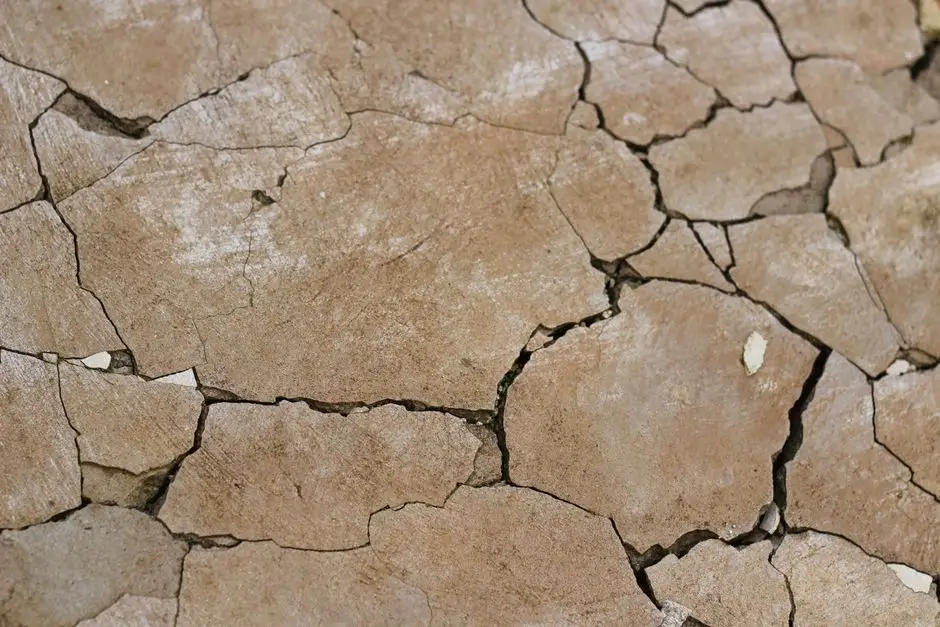
That is not a small difference. Soil moisture content in a bare Fort Pierce yard can sit near 25 to 30 percent after a wet September and drop under 8 percent by late March. The soil does not just dry out - it shrinks, pulls away from the slab edge, and loses the support it was giving the structure above it.
Our soil here is mostly sandy with pockets of muck and shell near the Indian River and the low ground around the Orange Avenue District. Sand drains fast and loses moisture fast. Muck holds water and stays soggy long after the rain stops. Two houses a mile apart can behave completely differently in the same week.
How the Dry Season Affects Soil Moisture in Fort Pierce FL
The dry season Fort Pierce FL runs from about November to May, and it does two things to your soil at the same time: it pulls moisture out of the ground from the top down, and it lowers the water table underneath. Both movements put stress on a slab.
As the soil dries, it contracts. In sandy soil that contraction can be an inch or more across a 30-foot span. The slab does not shrink with it. It bridges the gap, and the load it was sharing with the soil now lands on the slab and the pipes under it. Copper is the material that suffers most - it work-hardens every time it flexes, and after enough dry seasons it cracks. If you want to see how we handle that specific failure, our page on copper pipe slab leak repair Fort Pierce FL walks through the detection and repair process.
You will notice the dry season in your house in small ways before anything breaks:
- Interior doors that stick in February and free up again in July.
- Hairline cracks above door corners and at the joint between the wall and ceiling.
- A gap opening between the slab edge and the soil outside - sometimes wide enough to slide a finger into.
- Tile grout lines that crack in a straight run across a hallway or kitchen.
None of those are emergencies on their own. Together, they tell you the soil under the slab is moving.
How the Rainy Season Changes Soil Moisture Fort Pierce FL Homeowners Sit On
Rainy season Fort Pierce FL starts in June and runs through October, and it reverses everything the dry season did. Afternoon thunderstorms drop 1 to 3 inches in an hour, the water table comes back up, and the soil that shrank all winter swells against the slab again.
That swelling is not gentle. Clay and muck layers expand with real force. When the soil pushes back up under a slab that has settled into a void, you get a different set of symptoms - and this is when a lot of under-slab leaks finally show themselves. A pipe that cracked in March but was sitting in dry sand may not leak visibly until June, when the surrounding soil is saturated and the water has nowhere to go but up through the slab.
What we see most in June and July:
- Warm spots on the floor that appear after a storm and fade a day later.
- A water bill that jumps 20 to 40 percent with no change in habits.
- The sound of running water when every fixture in the house is off.
- Musty smell in a closet or hallway with no visible moisture.
If any of that sounds familiar, the fastest path is a same-day visit - our emergency slab leak repair Fort Pierce FL team runs electronic leak detection and acoustic listening equipment to pin the location before we cut anything.
Seasonal Soil Changes and Slab Leaks Fort Pierce FL
Seasonal soil changes and slab leaks Fort Pierce FL are linked by one mechanism: movement. Every time the soil under your slab shrinks or swells, the pipes buried in it move with it. Copper, CPVC, and even PEX have a finite number of flex cycles before something gives.
Homes built before 1990 in Fort Pierce - and there are a lot of them, especially in Lincoln Park, the Peacock Arts District, and the older blocks near Downtown - were piped almost entirely in copper. Those houses have been through 35 to 50 dry-season/rainy-season cycles. That is the age range where we start finding leaks on the hot water side first, because hot copper expands and contracts more than cold.
Newer construction is usually PEX, which handles movement better but is not immune. PEX fails at fittings and crimp rings more often than in the pipe body, and those failures tend to show up 8 to 15 years in.
If a leak keeps coming back in the same spot, spot repair stops being the right answer. At that point we usually talk about slab leak pipe rerouting Fort Pierce FL, which moves the line out of the slab and into the attic or walls so soil movement can never touch it again.
Dry Season Foundation Movement Fort Pierce FL: What You Will Actually See
Dry season foundation movement Fort Pierce FL shows up as a slow, seasonal pattern rather than a sudden event. The slab drops a fraction of an inch as the soil contracts, then rises again when the rain returns. Most Fort Pierce slabs are post-tension or conventionally reinforced and tolerate that cycle for decades.
What they do not tolerate is uneven moisture. A house with a sprinkler running on one side and bare sand on the other will tilt. So will a house where the downspouts dump next to the foundation on one corner and the rest of the yard drains away.
The practical fix is boring but effective: keep moisture even. Water the perimeter during the dry months, not the middle of the yard. Aim for a 12- to 18-inch band along the slab edge, 20 to 30 minutes twice a week in February and March. Direct downspouts at least 5 feet away from the slab. Fix the irrigation head that has been spraying the same corner since 2019.
If you have already got a leak and the soil is saturated around it, the repair has to happen before any of that matters. Our Slab Leak Repair Fort Pierce FL in Fort Pierce crews work the whole city, from the riverfront blocks to the neighborhoods out toward White City.
What to Watch Out For
Most of the expensive slab leak calls we run started as a symptom somebody explained away. Three mistakes come up over and over.
Mistake one: blaming the water bill on the irrigation system. A 30 percent jump in a dry month is almost always irrigation. A 30 percent jump in a rainy month, when the sprinklers are off, is almost always a leak. Check the meter with everything off - if the dial is still moving, water is going somewhere.
Mistake two: waiting for the wet spot. A hot water slab leak can run for months under a tile floor without surfacing. The floor feels warm, the bill climbs, and nothing else happens until the soil around the pipe erodes enough to create a void. By then you are looking at a repair plus a slab patch plus flooring.
Mistake three: patching the same line twice. If a copper line has failed in one spot, the odds of a second failure within 10 feet in the next two years are high. That is the point where slab leak repipe Fort Pierce FL is cheaper over five years than three separate spot repairs.
One more thing worth knowing: Fort Pierce sits in a region where the water table can rise within 2 to 3 feet of the surface during a wet September. If your slab is thin or your vapor barrier is compromised, that alone can push moisture up through the floor - no pipe leak required. A moisture meter reading above 20 percent on a concrete floor is worth investigating either way.
When to Call a Professional
Call us when the meter keeps moving with the house shut off, when a warm spot on the floor comes back after every rain, or when you hear water running with nothing on. Those three signs point to an under-slab line, and they do not fix themselves.
Leak Repair Pros handles detection, repair, and the slab patch afterward. We use electronic amplification, thermal imaging, and pressure isolation to find the leak before we open the floor, so you are not paying to break tile on a guess. We give you a flat price before we start, and we test the line before we leave.
If you are not sure whether you have a leak or just a wet yard, call anyway. A 20-minute detection visit is a lot cheaper than a foundation repair.
Frequently Asked Questions
How does the dry season affect soil moisture in Fort Pierce FL?
Soil moisture in Fort Pierce drops from roughly 25 to 30 percent after a wet fall to under 8 percent by late March. The top 3 to 6 feet of sandy soil dries and contracts, the water table falls, and the slab loses support - which is when copper lines under it start to flex and crack.
What is the difference between dry and rainy season in Fort Pierce FL?
Dry season runs November through May with sparse rainfall and low humidity. Rainy season runs June through October and delivers about 60 percent of the city's 55 to 60 inches of annual rain, mostly as afternoon thunderstorms. Soil moisture swings hard between the two.
Can soil moisture changes cause slab leaks in Fort Pierce FL?
Yes. Every shrink-and-swell cycle flexes the pipes buried under your slab. Copper work-hardens and cracks after enough cycles, usually 25 to 40 years in. PEX usually fails at fittings 8 to 15 years in. Even moisture year-round is the best prevention.
How do seasonal changes affect my foundation in Fort Pierce FL?
The slab drops slightly as soil contracts in the dry months and rises as it swells in the rainy season. Most reinforced slabs handle this for decades. Uneven watering - one side dry, one side wet - is what causes real tilt and cracking.
Does a slab leak always show a wet spot on the floor?
No. Hot water leaks often surface only as a warm spot or a high bill. Cold water leaks may drain into the soil void under the slab for months before anything reaches the surface. Meter testing and acoustic detection find them first.
Get help with Slab Leak Repair Fort Pierce FL in Fort Pierce
If the dry season left cracks and the rainy season brought a water bill you cannot explain, we can find the leak and fix it before the next swing. Call Leak Repair Pros at +1 772-362-4143 and we will get a technician out to your Fort Pierce home.